
Party casino Poker
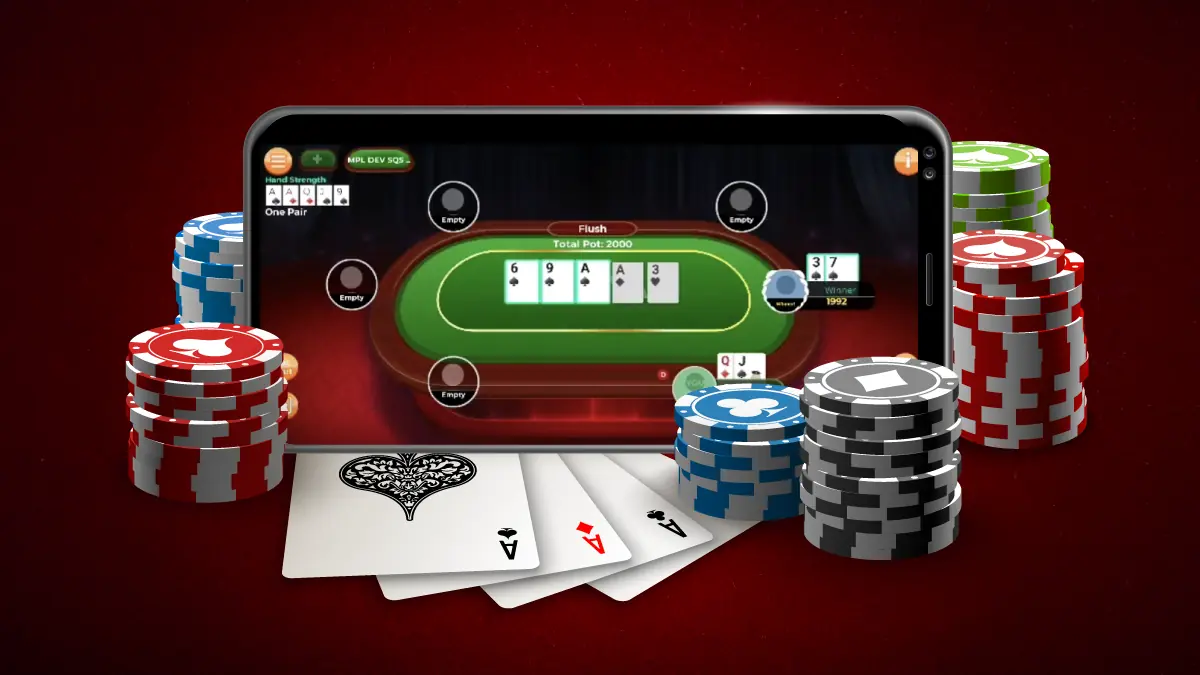
I approached Party casino Poker as a separate product rather than a side note inside the wider gaming lobby. That distinction matters. Many gambling sites display a “Poker” tab, but in practice it may mean anything from a small collection of video poker titles to a proper Party Casino slots table games and live casino options area, or even a marketing bridge to another platform. For a UK player, the useful question is not simply whether Party casino has poker, but what kind of poker is actually available, how easy it is to find, and whether the experience holds up after the first click.
In practical terms, Party casino Poker is best understood as a casino-based poker offering, not a full standalone poker room in the classic peer-to-peer sense. That changes expectations immediately. If someone is looking for deep multi-table tournaments, extensive cash-game traffic, HUD-style grinding, or a broad network of Texas Hold’em tables against other users, this is not the right benchmark. If the goal is to access poker-themed games inside a regulated online casino environment, then the section can still be useful, but only if the available formats match the player’s habits. To understand the wagering rules behind each offer, open is Party Casino safe legal and reliable for casino players next.
Does Party casino offer poker, and what does the Poker section usually include?
Yes, Party casino does offer poker content, but the key point is how that content is packaged. On casino-led platforms, the Poker page usually acts as a curated category rather than a separate ecosystem with its own full client. In most cases, users will find one or more of the following:
- Video poker games based on fixed paytables and automated dealing
- Live casino poker variants hosted by live dealers and streamed from studio tables
- Table-game poker adaptations such as Casino Hold’em or Three Card Poker
That mix is important because each format serves a different type of player. A person searching for strategy-heavy sessions with direct competition against other players may see the word “Poker” and assume too much. By contrast, a casino user who wants quick rounds, clear stakes and simple access may find this setup more convenient than a traditional poker room. Those comparing loyalty perks can weigh this section against Party Casino safety page.
One thing I always check first is whether the Poker tab is a real destination or just a label attached to scattered products. If the category is filtered well, with clear subtypes and visible providers, it has practical value. If the page is just a loose list of card games, the section exists on paper but is weaker in everyday use. That difference sounds small, yet it shapes the whole user journey.
Which poker formats are likely to be available, and how do they differ in real use?
The most common Party casino Poker formats for UK users are usually video poker and live dealer poker-style best Party Casino real money casino games for UK players. They may sit under the same category, but they behave very differently.
Video poker is the fastest and most controlled format. You place a stake, receive cards, choose which ones to hold, and the machine resolves the hand according to a paytable. There is no waiting for other participants and no dealer pace to follow. This makes it suitable for players who care about rhythm, repeatability and low-friction sessions. It also means the experience depends heavily on the exact paytable and coin structure. Two games that look almost identical can have meaningfully different long-term value.
Live poker-style games are slower, more social and more presentation-driven. These are usually streamed from a studio and run by a human dealer. Instead of classic online poker room dynamics, the player often competes against house rules in titles such as Casino Hold’em. The attraction is atmosphere and transparency: you see the cards dealt in real time, and the interface feels closer to a live casino table than to a slot or RNG card title.
Casino table poker variants sit somewhere in between. They use poker hand rankings, but the structure is simplified for casino play. This is where some users get caught out. A game can look like poker, use familiar card combinations and still have very different decision points from standard Texas Hold’em. So the name alone is not enough; the mechanics matter.
The practical takeaway is simple: Party casino Poker can be useful, but only if the user knows whether they want speed, social presentation or a closer-to-table game flow. These are not interchangeable experiences.
Video poker, live poker and other popular versions: what should a player expect?
Popular variants in the market include Jacks or Better, Deuces Wild and multi-hand versions. If Party casino includes video poker, that is often the most straightforward part of the category. The main thing to verify is not the title but the paytable. In video poker, a familiar game name does not guarantee the same return profile across providers. I always advise checking the full payout table before assuming a title is worth regular play.
If the site offers live poker, this usually means live dealer table games rather than player-pooled online poker tables. Common examples include Casino Hold’em and Three Card Poker. These games are easier to enter than a traditional poker room because there is less complexity around seat selection, table traffic and peer competition. On the other hand, they are not substitutes for serious online poker grinding.
Some platforms also include side-bet-driven poker titles. These can be entertaining, but they often introduce much higher volatility than the main wager suggests. A player may think they are choosing a familiar card game, while in reality the experience is being shaped by optional side bets with a very different risk profile. That is one of the first details worth checking before settling into the section.
A useful rule here is this: if the game opens inside the main casino lobby and behaves like a house-banked title, treat it as casino poker, not as a poker room. That sounds obvious, but it prevents the most common mismatch in expectations.
How easy is it to access the Poker area and start a session?
Usability matters more in poker than many operators seem to realise. A Poker page can have decent content and still feel clumsy if filtering is poor, categories overlap or game labels are inconsistent. On Party casino, the practical test is whether a user can move from the homepage to a relevant poker title in a few steps without needing to browse through unrelated table games.
What I look for first:
- whether Poker has its own visible category in the main navigation
- whether live and RNG titles are clearly separated
- whether game thumbnails show stakes, provider or variant type
- whether search works for known titles and not just broad keywords
When this is done well, the section feels purposeful. When it is not, the Poker page becomes a scavenger hunt. That is especially frustrating for returning users who already know what they want to open.
Another detail that often gets overlooked is loading behaviour. Video poker should open quickly and consistently, especially on mobile browsers. Live tables naturally take longer because of streaming, but the transition still needs to be smooth. If the user is repeatedly pushed through full-screen prompts, extra lobby layers or slow table loading, the convenience advantage of casino poker starts to disappear.
One memorable pattern I often see across casino poker pages is this: the first launch feels polished, but the second and third launches expose friction. Reopening a recently used title, switching between live tables, or returning from one game to the category page tells you more about the real quality of the section than the homepage design ever will.
Rules, stake ranges and game conditions that are worth checking first
Before using Party casino Poker regularly, I would check the following game conditions rather than relying on the category label alone.
| What to check | Why it matters in practice |
|---|---|
| Minimum and maximum stakes | They determine whether the section suits casual low-stake sessions or a wider bankroll range. |
| Paytable details in video poker | The return profile can vary significantly between titles that look almost identical. |
| Side bet availability | Optional bets can increase volatility and change the real cost of a session. |
| Live table seat or participation rules | Some games are easy to join instantly; others may have pacing or table availability constraints. |
| Variant-specific mechanics | Casino Hold’em, Three Card Poker and video poker all use different decision structures. |
Stake limits matter for another reason: they reveal who the section is built for. If the floor is low and the spread is sensible, the Poker category works better as a regular-use area. If limits jump too quickly, it can feel narrow. For UK users especially, sensible low-entry access is often more valuable than a long list of titles with awkward stake progression.
In video poker, the paytable is the single most important detail. I would go further and say it matters more than the game count. Ten video poker titles with weak or unclear payout information are less useful than three transparent titles with solid structure. This is one of those areas where quantity can create a false impression of strength.
Are there live dealers, multiple tables, tournaments or extra features?
Party casino Poker may include live dealers if the brand’s live casino catalogue supports poker-style table games. That usually improves presentation and gives users a more natural card-table feel. However, live dealer presence alone does not mean the section is deep. A handful of polished tables can still be a relatively narrow offering if variants are limited or limits are clustered too tightly.
Multiple live tables are useful for three reasons:
- they give more flexibility on stakes
- they reduce waiting when one table is busy
- they let players choose between faster and calmer table environments
As for tournament formats, this is where expectations need to stay realistic. On a casino-centred Poker page, tournaments are often absent or far less developed than in a dedicated poker network. If a user specifically wants scheduled events, leaderboard-style competition or deep tournament progression, that should be verified before assuming the section can provide it.
Extra features worth noticing include autoplay restrictions in video poker, game history visibility, speed controls, and whether live titles display clear roadmaps of previous outcomes or side-bet statistics. Not all of these features are equally important, but together they shape how informative and manageable the session feels.
One observation that often separates a genuinely usable poker section from a decorative one is whether the platform helps users compare similar titles. If the site makes it easy to tell one video poker game from another, or one live table from the next, it respects the player’s decision-making. If every thumbnail looks the same, the section is doing less than it should.
What is the real user experience like once you spend time in the Poker section?
In day-to-day use, Party casino Poker is likely to feel most convenient for players who want casino poker without the complexity of a dedicated poker room. That means quick entry, straightforward controls and a familiar casino account environment. For many users, especially those who split time between slots, blackjack and card-based house games, this is a practical advantage.
The experience is less convincing for players who define poker in the traditional room-based sense. If the section leans heavily on live dealer table games and video poker, then the user experience is polished in a casino way, not in a competitive poker way. Those are different products with different rhythms.
On mobile, the section should be judged by readability and button spacing rather than by whether the games merely open. Video poker needs crisp card visibility and easy hold controls. Live tables need stable streaming, readable betting areas and enough screen clarity to avoid mistakes. A game that technically runs on mobile but forces constant zooming is not genuinely convenient.
What I value most in this category is consistency. If game rules are visible before entry, stake selectors are clear, and returning to the Poker lobby is painless, the section becomes much more usable over time. Poker is one of those categories where small interface flaws become irritating faster than they do in slots.
Where can Party casino Poker fall short?
The biggest limitation is also the most common one: the word “Poker” can suggest more depth than the section actually delivers. If the category is mostly video poker and casino-style table variants, then users looking for classic online poker ecology may be disappointed. That is not necessarily a flaw in itself, but it becomes one if the presentation blurs the difference.
Other potential weak points include: Those comparing loyalty perks can weigh this section against Party Casino returning player bonus codes page.
- limited variant diversity if the catalogue repeats the same mechanics under different skins
- unclear paytables in video poker, which makes informed choice harder
- narrow live-table spread with little flexibility on limits
- lack of tournament depth for users expecting structured competition
- category overlap where poker titles are mixed with general card games too loosely
There is also a softer issue that matters in practice: some Poker pages feel designed for discovery, not for repeat use. They look fine when browsing, but they do not support routine habits well. If filters reset, recently played titles are hard to find, or variant names are inconsistent, regular users will notice quickly.
Who is Party casino Poker best suited to?
In my view, Party casino Poker is best suited to three groups.
- Casino-first players who want poker-style games inside a familiar casino environment
- Users who prefer structured, house-banked formats over peer-to-peer competition
- Players looking for quick access sessions rather than long-form poker room play
It is less suitable for users who want a pure online poker room experience, heavy tournament schedules, broad cash-game ecosystems or advanced player-versus-player depth. That distinction should be made early, because it saves time and avoids the wrong expectations.
If I had to sum it up in one line, I would say this: Party casino Poker can be useful and enjoyable, but mainly as a casino poker destination, not as a full poker platform in the traditional sense.
Practical tips before choosing poker at Party casino
- Confirm the software vendor behind the poker title, as different providers handle shuffle fairness and hand histories differently.
- Read the paytable in any video poker game instead of relying on the game name alone.
- Review minimum stakes and side bets, especially if you want lower-volatility sessions.
- Test how easy it is to return to the Poker lobby and reopen favourites.
- If you want tournaments or player-pooled tables, verify that directly rather than assuming they are included.
One final practical note: the best way to assess the real value of Party casino Poker is not to count titles but to test a short session across two different formats. Open one video poker game and one live dealer variant. That comparison reveals very quickly whether the section fits your style or just looks broad at first glance.
Final verdict on the Party casino Poker section
Party casino Poker has clear value for UK users who want accessible poker-style gaming within a regulated online casino setting. Its strength lies in convenience, familiar account integration and the likely mix of video poker and live dealer card-table options. For casual and mid-frequency users, that can be more practical than joining a separate poker room.
The caution point is equally clear. A Poker page is only as good as its actual formats, paytable transparency, live-table spread and category structure. If you expect traditional online poker depth, you need to verify that carefully. If you approach Party casino Poker as a casino-based poker section and judge it on ease of use, stake clarity and format quality, the evaluation becomes much fairer.
My overall view is measured but positive: Party casino Poker is worth attention for players who want fast access, recognisable poker variants and a smoother casino-style experience. It is less compelling for serious room-style poker users. Before using it regularly, I would check three things: the quality of the video poker paytables, the breadth of live poker-style tables, and how cleanly the Poker category is organised for repeat visits. Those details decide whether the section is genuinely useful or simply present on the menu.
FAQ
How can a player start an online poker session at Party?
Select the poker game type in the poker lobby, confirm the real-money or demo mode switch, and open the table. The game loads inside the casino interface, ready for chips and blinds.
What login details are needed before poker real-money play starts?
A valid Party casino account login is required for real-money play. If the session is opened while not signed in, the table may prompt account access or a quick sign-in step.
Is demo mode available for online poker, and what should be checked first?
Demo mode lets players practice without real-money stake. Confirm the demo toggle before opening a table, because it affects the bankroll and the way hands are tracked.
Are promo codes or bonus codes used for poker, and where would the rules appear?
Any poker bonus eligibility is governed by the specific offer terms. Before play, check the offer details inside the account section so the wagering and qualifying game rules are visible.
How can a player quickly compare poker with live casino games like blackjack in terms of gameplay?
Poker revolves around decision-making against other players, while blackjack is a player-versus-dealer card format with different odds and timing. Table limits, session length, and pacing differ, so choosing based on preferred strategy is the fastest way to pick the right table.
What should returning players check after logging in, before starting a new cash game or tournament?
Check whether the lobby view still shows the expected demo versus real-money setting and confirm the selected buy-in or stakes. Review any session reminders, such as play limits or table restrictions, so the next launch matches the last plan.